

Conquering the cognitive impact of infectious disease
Western University is home to a unique and groundbreaking interdisciplinary research initiative focussed on addressing viral triggers of cognitive impairment.
Many infectious diseases, including COVID-19, are associated with neurologic and cognitive symptoms such as brain fog, mild cognitive impairment, and dementia. Lingering beyond the initial infection, these symptoms have a substantial impact on quality of life and present a major public health challenge.
Scientists, experts, and long haulers call for urgent action on Long COVID





World-Leading Expertise
Western University researchers are creating a better understanding of pathogen-triggered cognitive impairment.
Working across the disciplines of neuroscience, virology, immunology, therapeutics, primary care and health and social equity, our team is improving treatment and access to treatment for Canadians experiencing cognitive impairment related to infectious disease.
Our interdisciplinary team is
- Using Sars-CoV-2 infection as a model to better understand how brain health is impacted by infectious disease.
- Discovering new diagnostics, prevention strategies and treatments for neurodegenerative disease.
- Developing sustainable policies aimed at reducing the vulnerability of marginalized populations most affected by COVID-19, facilitating equal access to treatment and care, and promoting healthy communities and inclusive society.
Unique Research Facilities
Western University has a unique infrastructural ecosystem that does not exist anywhere else in the world. Our facilities enable us to investigate the brain at the cellular, molecular, and circuit levels, and combine this with ipad-based assessment of high-level cognition, in models of infectious disease that must be handled under high biosafety levels.

The Imaging Pathogens for Knowledge Translation (ImPaKT) Facility is a one-of-a-kind facility combining PHAC certified containment level standards (CL2+ and CL3) with advanced in vivo imaging modalities.
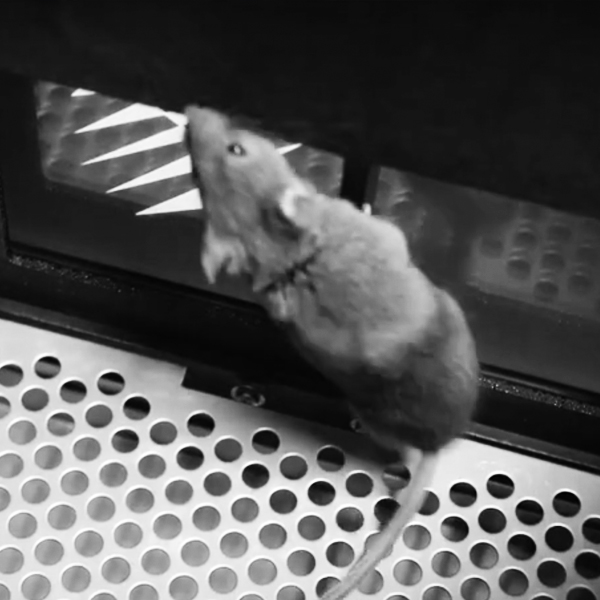
The Mouse Translational Research Accelerator Platform (MouseTRAP) from the Rodent Cognition and Innovation Core at Western is a state-of-the-art platform for the assessment of reproducible and human-relevant cognitive outcomes in mouse models.
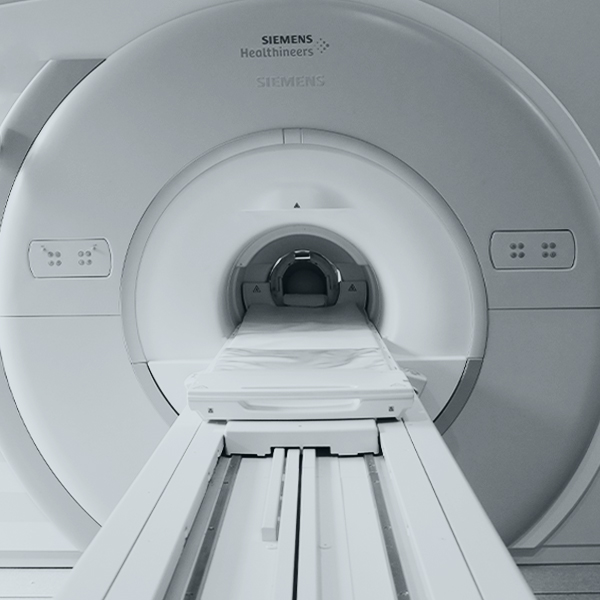
The Centre for Functional and Metabolic Mapping at Western’s Robarts Research Institute houses Canada’s only collection of high-field (3T human) and ultra-high field (7T human and 9.4T animal) magnetic resonance imaging (MRI) systems.
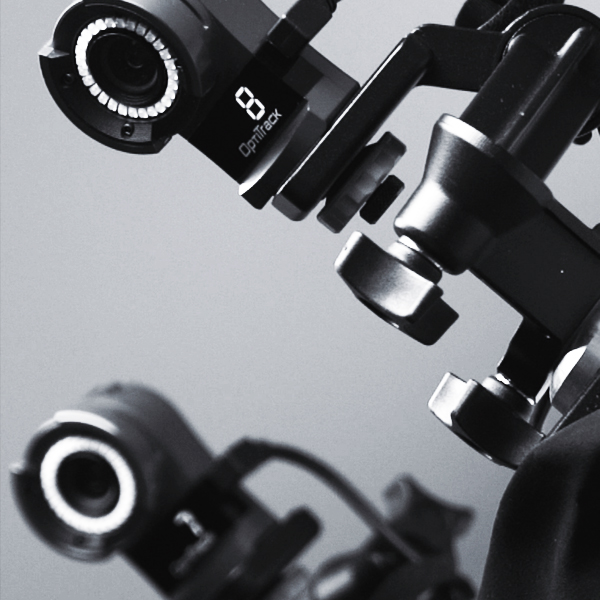
The NHP Research and Innovation Core at Western was the first centre in Canada to use neurophysiology and neuroimaging and has the first system in the world that uses fMRI of two subjects to study social cognition.
Work With Us
Rapid action is needed—from universities to industry to government—to understand how infections can contribute to and accelerate neurodegenerative and neurodevelopmental disease. Discoveries in this space will provide much-needed information to the many Canadians currently experiencing COVID-related cognitive impairment. Beyond this pandemic, addressing the broader issue of how viruses and other pathogens contribute to the development and progression of neurodegenerative and neurodevelopmental diseases will be essential to finding new treatments.
If you or your organization is interested in partnering with us, please contact us at: postviralcognition@uwo.ca
Contact Us

Western University
1151 Richmond Street
London, Ontario, Canada, N6A 3K7
postviralcognition@uwo.ca